Eng. Machibya: It’s beyond locomotives- building a self-reliant railway industry
At the bustling Pugu Railway Workshop on the outskirts of Dar es Salaam, a quiet yet deeply transformative shift is taking place, one that is steadily redefining Tanzania’s industrial trajectory.
What may appear on the surface as a technical exercise in assembling locomotives for the Meter Gauge Railway (MGR) is, in reality, a bold step toward building a self-reliant, knowledge-driven railway industry.
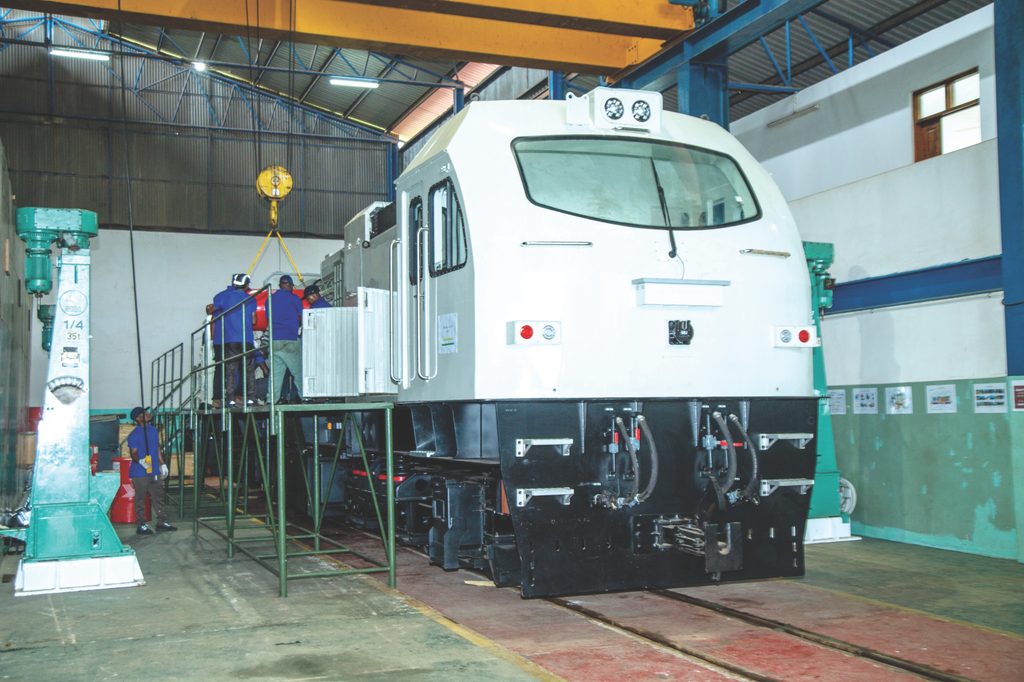
For the first time in the nation’s history, locomotives are no longer arriving solely as finished imports. Instead, they are being assembled locally by Tanzanian engineers and technicians, marking a decisive move from dependency toward domestic capability.
This milestone, spearheaded by the Tanzania Railways Corporation (TRC), reflects a broader vision that goes beyond infrastructure development into the realm of industrial transformation.
“This is not just about locomotives; it is about laying the foundation for a self-reliant railway industry,” says TRC Director General, Engineer Machibya Shiwa.
“Through this initiative, we are equipping Tanzanians with the technical skills and practical experience needed to sustain and expand our railway systems. It is about creating a local ecosystem that supports innovation, manufacturing, and long-term growth.”
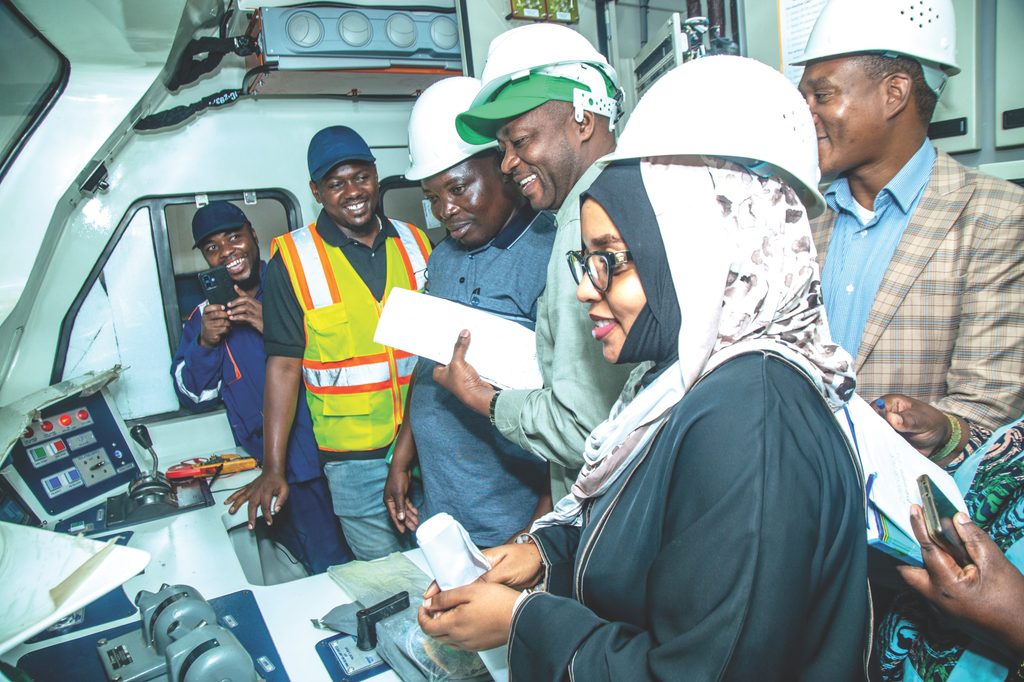
His remarks capture the essence of what is unfolding at Pugu. The workshop has effectively become a living laboratory for applied engineering and skills transfer.
Young Tanzanian technicians, many of whom previously lacked access to such opportunities are now gaining hands-on experience in mechanical systems, electrical integration, and industrial assembly processes. At least 34 local technicians have already been engaged directly in the project, transforming the facility into a hub of learning, productivity, and ambition.
This development did not emerge in isolation. It is, in part, a strategic response to global disruptions, particularly the supply chain challenges triggered by the Russia–Ukraine conflict.
Delays in the delivery of locomotives and spare parts exposed the vulnerabilities of relying entirely on foreign manufacturing. Faced with these constraints, TRC adopted a hybrid procurement strategy: importing a limited number of complete locomotive units while assembling others locally using imported components.
What began as a necessity has evolved into an opportunity—one that is already delivering tangible economic and strategic benefits.
By assembling locomotives domestically, Tanzania is significantly reducing the costs associated with full importation. More importantly, the initiative is stimulating local industry.
Tanzanian suppliers are now contributing to the value chain by providing machining services, electrical components, lubricants, and other essential materials. This ripple effect is fostering industrial linkages, supporting small and medium enterprises, and gradually building a domestic railway supply ecosystem.
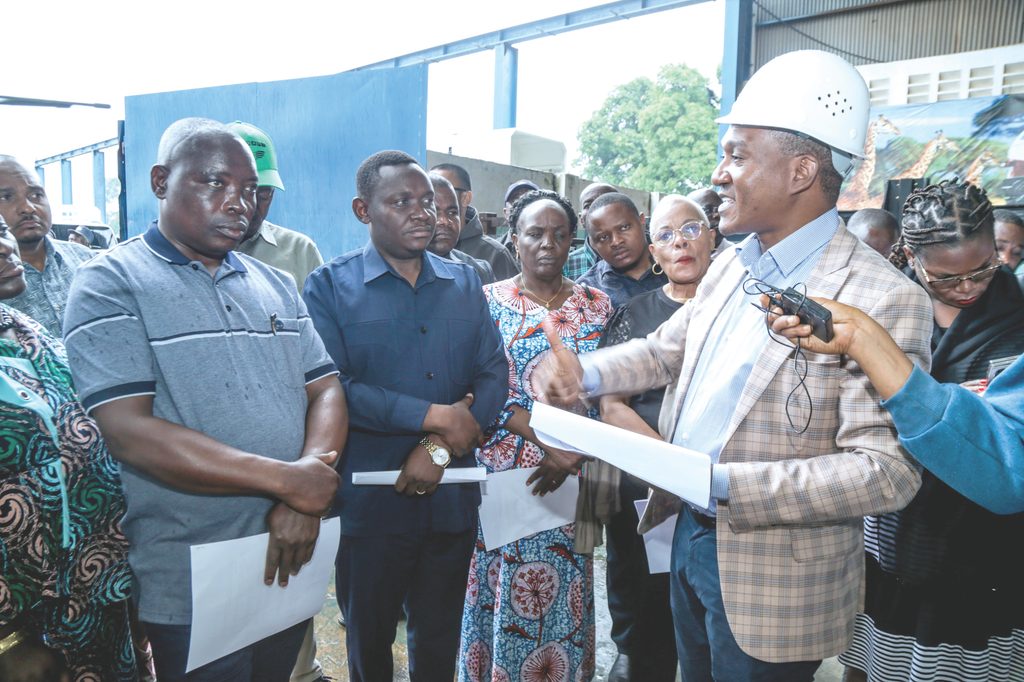
The Parliamentary Standing Committee on Infrastructure has recognised the transformative potential of this initiative. During an oversight visit to the Pugu workshop on 14 March 2026, Committee Chairperson, Selemani Kakoso called on TRC to further strengthen the capacity of Tanzanian youth involved in the project.
He emphasizes the need for comprehensive training programmes, both locally and internationally, to ensure these young professionals acquire advanced technical knowledge and remain competitive in a rapidly evolving global industry.
He also underscored the importance of sustained employment for these technicians, urging TRC to prioritise their retention and professional development. According to him, the success of the project lies not only in the locomotives being assembled but also in the human capital being developed.
Kakoso commends TRC and its leadership for achieving what had never been done before in Tanzania, noting that the initiative represents a critical step toward technological independence.
He further highlighted that assembling locomotives locally has reduced government expenditure while simultaneously creating employment opportunities and enhancing national expertise.
The broader economic implications are equally significant. As Tanzania continues to invest in its Standard Gauge Railway (SGR) network—spanning over 2,290 kilometres, the revitalisation of the MGR system ensures that development is inclusive and balanced.
While the SGR represents the future of high-speed, high-capacity transport, the MGR remains a vital backbone for regional connectivity and freight movement.
Together, these systems position Tanzania as a strategic logistics hub for East and Central Africa, serving landlocked neighbours such as Zambia, Rwanda, and Burundi.
A more resilient and efficient railway network enhances trade flows, reduces transportation costs, and strengthens regional integration.
Deputy Minister for Transport, Mr. David Kihenzile, has also lauded the government’s commitment to advancing the transport sector.
He credited ongoing investments in modern infrastructure and equipment procurement as key drivers of national development, while acknowledging the leadership of President Dr Samia Suluhu Hassan in prioritising transport as a catalyst for economic growth.
Yet beyond the economic and technical dimensions, the Pugu initiative carries a powerful symbolic message.
For decades, there has been a persistent narrative that complex industrial activities such as locomotive assembly must be outsourced to more technologically advanced nations.
The work being done in Pugu challenges that assumption. It demonstrates that, with the right vision, investment, and commitment, Tanzania can build its own capabilities and gradually move up the industrial value chain.
This shift in mindset is perhaps the most valuable outcome of all. It instils confidence in local talent, inspires future generations of engineers, and reinforces the idea that development is not merely about acquiring finished products, but about mastering the processes behind them.
Looking ahead, the potential for growth is substantial. With sustained investment in training, technology transfer, and infrastructure, Tanzania could expand its capabilities beyond assembly into maintenance, refurbishment, and eventually partial manufacturing of railway components. Such progress would not only deepen industrialisation but also open new avenues for export and regional collaboration.
Moreover, the project strengthens national resilience. By reducing dependence on external suppliers, Tanzania is better positioned to withstand global shocks and maintain continuity in critical infrastructure services.
This resilience is increasingly important in a world characterised by geopolitical uncertainty and fluctuating supply chains.
For the young technicians working at Pugu, the impact is immediate and personal. They are not just earning a livelihood; they are building careers, acquiring specialised skills, and contributing to a national transformation. Their work represents the intersection of opportunity and purpose a chance to be part of something larger than themselves.
In the steady rhythm of tools, the hum of machinery, and the determination of these young professionals, a new narrative is taking shape. It is a story of a nation investing in itself, believing in its people, and redefining what is possible.
Tanzania is not just assembling locomotives. It is assembling the foundations of a self-reliant industrial future, one bolt, one system, and one skilled hand at a time.