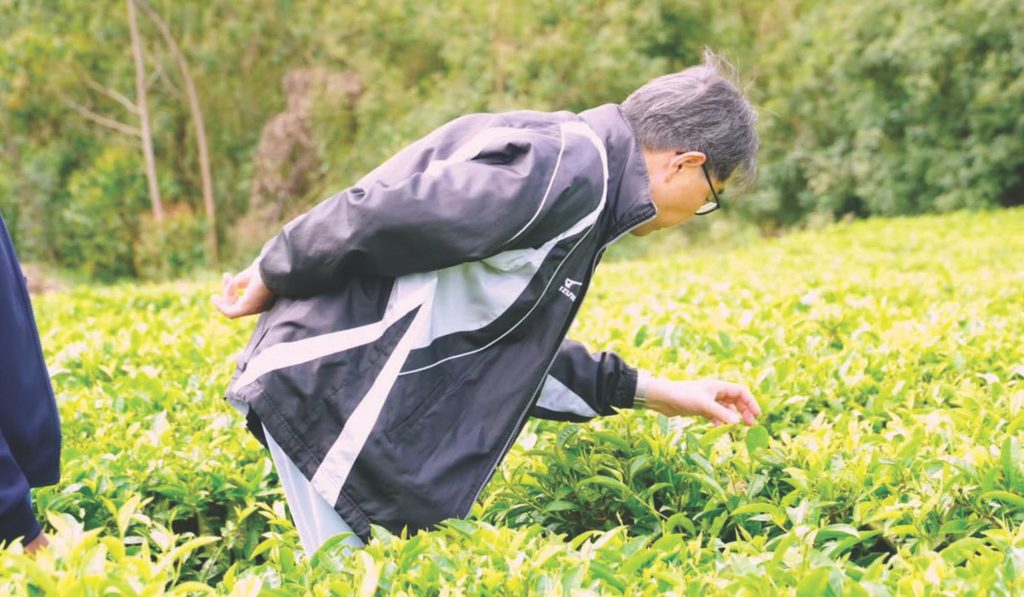
Brewing growth: Tanzania’s tea industry drives exports and economic momentum
Under President Samia’s leadership, Tanzania’s tea industry is undergoing a revival. With new investments, upgraded infrastructure, and international trade links, the Tea Board of Tanzania is positioning the nation as a competitive supplier of premium teas to markets from the Gulf to East Asia.
Business Insider Reporter
Since taking office, President Dr Samia Suluhu Hassan has made agriculture the cornerstone of Tanzania’s economic agenda. Among the sectors benefitting from this renewed focus is tea farming, a long-standing but under-utilised contributor to rural livelihoods and national trade. Through the Tea Board of Tanzania (TBT), her government is implementing sweeping reforms and initiatives designed to add value, attract investment, and expand international markets.
Shifting from leaves to value, added exports
A central plank of Samia’s strategy is the shift from selling raw green leaves to producing high-value black and orthodox teas.
This approach not only promises higher returns for farmers but also elevates Tanzania’s presence in global premium tea markets.
A flagship initiative is the revival of the Kilolo Tea Factory in partnership with Chinese investors, which is set to begin producing orthodox teas. Meanwhile, new machinery has been installed in Kipawa (Dar es Salaam) and Korogwe (Tanga), while smallholder-owned factories are being established in Kilolo and Bisekelo districts.
The Ministry of Agriculture is also reviewing dormant privatised factories, with a view to returning them to smallholder ownership under current legislation—an important step towards inclusivity and empowerment in the sector.
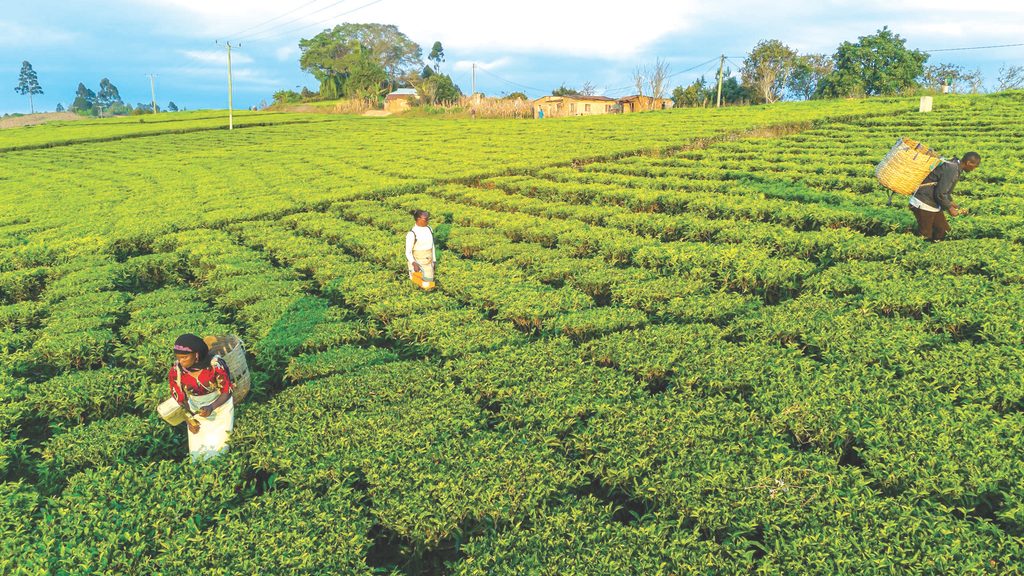
Expanding global market reach
TBT’s outreach has re-established Tanzania on the world tea map. In Oman, after a 21-year pause, Mumtaz Tea has resumed imports, now sourcing 100 tonnes monthly from the Mponde factory.
In Saudi Arabia, samples of Tanzanian tea have won approval, paving the way for larger exports. At Qatar’s AgriteQ Fair, “Kazi Yetu” branded teas secured trade deals, while local processor AK Confectionery struck an export agreement.
Japanese tea giant Ito En has signalled plans to work with Njombe smallholders, while Chinese investors have already installed processing machinery in Kilolo. In Russia, diplomatic efforts have opened discussions on large-scale imports.
Strengthening infrastructure at home

To meet growing demand, infrastructure upgrades are underway. The Kipawa warehouse in Dar es Salaam has been modernised with advanced ventilation, blending systems, and forklifts, and is now a logistics hub for Sudanese buyers of East African teas. A similar facility is being developed in Korogwe.
Recognition, auctions, and farmers’ empowerment
Over 4,000 Tanzanian farmers have secured Rainforest Alliance certification, enhancing traceability and access to premium buyers. Dormant estates, long inactive, have been revived, while the launch of a national tea auction has doubled market prices per kilogram—from USD 0.58 to USD 1.15—benefitting growers directly.
A brew for the future
President Samia’s agricultural reforms are not merely about production but about positioning Tanzania competitively in global trade. By linking farmers to markets, empowering smallholders, and attracting international investors, her government—through the Tea Board of Tanzania—is turning tea into a catalyst for inclusive economic growth.