
27- Years without Nyerere, NHC advances his vision through Mtumba Government City
-From providing Tanzanians with better homes to completing government buildings in Dodoma, the National Housing Corporation has expanded its contribution to national development.
By Inside Tanzania Reporter
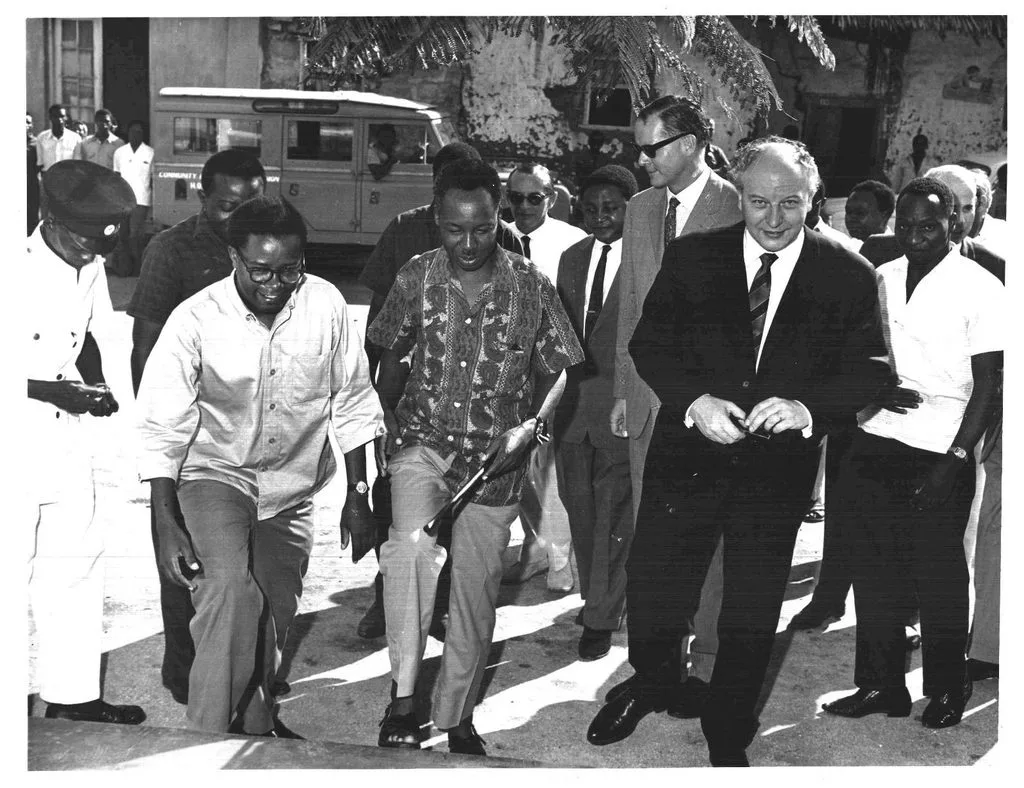
Every building rising in Mtumba Government City, Dodoma, reflects a national vision established by the Father of the Nation, Mwalimu Julius Kambarage Nyerere: a Tanzania where development improves lives, provides decent housing and strengthens public institutions.
Twenty-seven years after his death, the National Housing Corporation (NHC), established in 1962, continues to advance that legacy in ways extending beyond residential construction. From its original mission of helping Tanzanians obtain better homes, the Corporation has become an important participant in strategic national projects, including the development of government buildings at Mtumba.
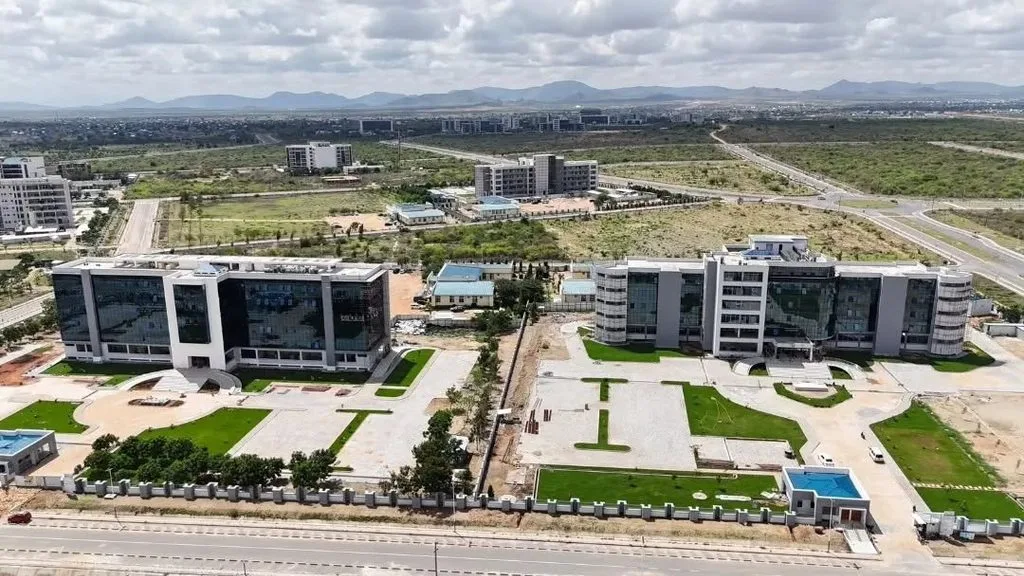
At the Government City, NHC builds the eight ministry buildings under its construction portfolio
valued at about TSh186.83 billion and supervised other two ministries construction. Most of the eight buildings completed and some already handed over to their respective users.
The eight buildings cover the ministries responsible for Lands, Housing and Human
Settlements Development; Energy; Minerals; Information, Communication and Information
Technology; Livestock and Fisheries; Industry and Trade; Culture, Arts and Sports; and Home
Affairs.
Through its work at Mtumba, NHC connects citizens’ housing needs with the infrastructure required for government operations in Dodoma.
NHC and Nyerere’s philosophy of human dignity
For Nyerere, development had to improve people’s lives. Housing was central: a home gives families security and dignity, and provides a place for children to grow.
Established in 1962, NHC gave the government an institution to expand housing provision and support urban development.
As public needs grew and the economy changed, NHC also evolved. Policy and legal reforms gave it greater scope to operate commercially, strengthen its resources and work with the private sector, while retaining its role in housing.
Its activities now include homes for sale and rent, commercial buildings, property management, refurbishment, consultancy and construction. Its contribution therefore extends beyond housing to the capacity to manage investment and deliver infrastructure.
Mtumba gives shape to the vision for government headquarters
The decision to move government headquarters to Dodoma reflected Nyerere’s vision of making the city the national administrative centre and promoting more balanced development.
NHC has contributed through construction and professional services. During the presentation of the 2026/27 budget, the Minister for Lands, Housing and Human Settlements Development, Dr Leonard Akwilapo, told Parliament that NHC had completed eight government office buildings at Mtumba and handed them over to their clients.
Presented on 28 May 2026, the information highlights NHC’s contribution to a major national project and its capacity to coordinate construction and meet public-sector standards.
President Samia and the continuation of national priorities
Under President Dr Samia Suluhu Hassan, public infrastructure and improved housing remain national development priorities.
In her parliamentary address on 22 April 2021, President Samia emphasised the continued development of government headquarters in Dodoma. She also highlighted the need to improve housing by making building materials more affordable and expanding access to loans with favourable terms.
Successive governments have pursued that ambition, creating demand for modern offices and an environment that supports public administration and service delivery.
NHC contributes through residential developments, commercial properties and public projects requiring construction expertise.
The Samia Housing Scheme illustrates efforts to expand housing supply. According to information presented to Parliament by Dr Akwilapo, the scheme aims to build 5,000 homes at an estimated cost of 466 billion Tanzanian shillings across several locations.
By 15 May 2026, 68 houses at Iyumbu in Dodoma had been completed, bringing the total across locations cited by the Ministry to 628. Success will depend on affordability, quality and access to essential services.
Hamad Abdallah: NHC as a development partner
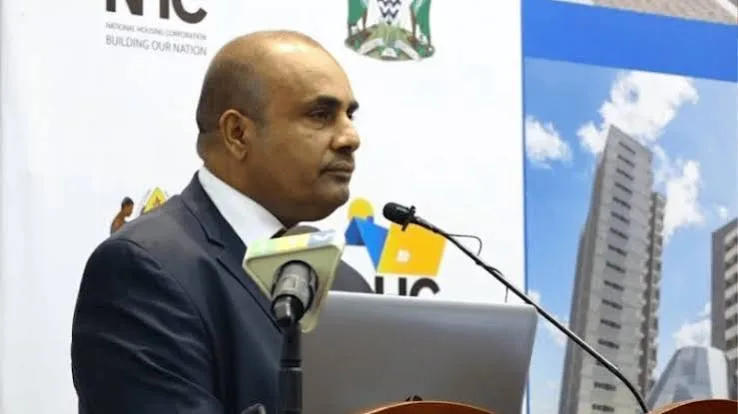
Under Director General Hamad Abdallah, NHC’s public-project role involves coordinating resources, supervising contractors, maintaining quality and meeting clients’ requirements.
The eight government buildings at Mtumba provide one example. NHC has also participated in other public projects, including the Tanzanite minerals market building at Mirerani in Manyara Region and projects involving various institutions.
According to information presented to Parliament by the Ministry, the Tanzanite market had been completed, while construction of Tanzania Communications Regulatory Authority buildings in Dodoma and Zanzibar was ongoing.
The projects show NHC’s role across housing, commerce, communications and government. Performance should also be judged by quality, responsible spending, timeliness and long-term usefulness.
Nehemia Mchechu and institutional investment capacity
Treasury Registrar Nehemia Mchechu’s former role as NHC Director General provides context for the Corporation’s evolution into an institution involved in investment and major public projects.
Such change requires financial strength, effective management systems, investment planning and clear ways of measuring project outcomes. Figures contained in NHC information indicate that the Corporation’s assets exceeded five trillion Tanzanian shillings, while 21 public-private partnership agreements worth 179 billion shillings had been signed during the period cited.
The figures underline the importance of attracting investment, but asset value is not the same as net profit. Financial performance must be matched by accountability and tangible public benefits.
The Corporation’s expanded mandate also places greater responsibility on it to balance commercial sustainability with its public-service purpose. Housing demand, urban growth and the need for reliable government facilities require careful planning, transparent procurement and sound project management. Partnerships can help mobilise capital and expertise, but their value ultimately depends on whether projects are delivered efficiently and produce lasting benefits for residents, institutions and the wider economy over the long term for future generations.
Beyond buildings: economic and social impact
Construction creates demand for materials, transport, professional services and labour, offering opportunities to businesses and workers while potentially stimulating nearby economic activity.
For Dodoma, Mtumba’s development may attract investment and increase demand for services alongside government infrastructure, housing and commercial properties.
However, construction alone cannot guarantee sustainable urban growth. Roads, water, electricity, transport, healthcare, education and sound environmental planning are also essential.
Nyerere’s vision continues
More than six decades after its establishment, NHC has expanded from residential development to projects including eight government buildings at Mtumba.
Ultimately, its legacy will be measured not only by buildings or asset values, but by its ability to provide better homes at affordable costs and deliver public projects with quality and accountability. Mtumba is more than a collection of offices: it demonstrates how an institution founded to support housing has broadened its role in national development, connecting citizens’ homes with the institutions serving the country.